
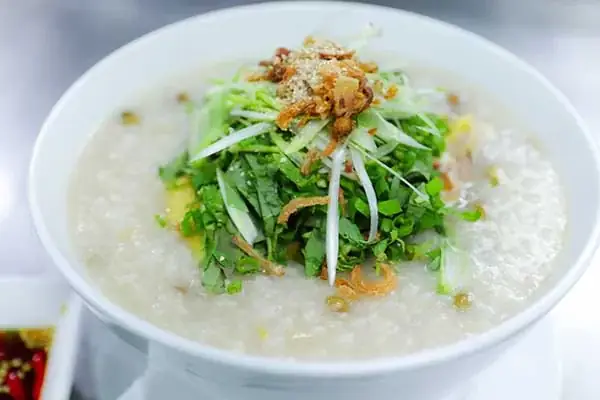
Chicken congee, known in Vietnamese as cháo gà, is the ultimate comfort food. It is a warm, savory rice porridge that is easy to digest and packed with flavor. Many people search for cách nấu cháo gà bằng tiếng anh to learn how to prepare this traditional dish or to understand how to describe the cooking process in English. Whether you are learning the recipe or the vocabulary, this guide provides a comprehensive look at making authentic chicken congee from scratch.
The beauty of chicken congee lies in its simplicity. With just a few basic ingredients like chicken, rice, and ginger, you can create a nourishing meal suitable for breakfast, lunch, or a light dinner. The texture should be silky and smooth, with the rice grains breaking down completely. In this article, we will walk through the traditional method, discuss key techniques, and provide the English vocabulary you need to master this dish.
Có thể bạn quan tâm: Cách Nấu Cháo Giò Heo Đậu Xanh: Hướng Dẫn Chi Tiết Từ A Đến Z Cho Người Mới
Tóm tắt quy trình thực hiện
- Prepare the ingredients: Wash the rice thoroughly and marinate the chicken with seasonings.
- Cook the porridge base: Boil the rice with water and ginger until the grains burst and create a thick consistency.
- Add the chicken: Poach the marinated chicken in the simmering congee until fully cooked.
- Season and serve: Adjust salt and pepper to taste, then garnish with green onions, cilantro, and fried shallots.
Understanding the Dish: What is Cháo Gà?
Before diving into the cooking steps, it is helpful to understand what makes this dish special. Congee is a type of rice porridge popular across many Asian countries. In Vietnam, cháo gà is distinct because of the use of ginger, fish sauce, and specific garnishes.
The goal of cooking congee is to break down the rice starches completely. This creates a thick, creamy liquid that coats the spoon. Unlike Western soups where broth and solids remain separate, congee is a unified mixture. The chicken becomes tender and infused with the rice flavor.
The Importance of Rice Preparation
The type of rice you use matters. While you can use standard long-grain white rice, many cooks prefer Jasmine rice or a mix of Jasmine and glutinous rice. Glutinous rice adds a stickier, creamier texture.
Washing the rice is a non-negotiable step. You must rinse it until the water runs clear. This removes excess starch from the surface. If you skip this, the porridge may become too gluey and lack the silky mouthfeel. Some chefs even soak the rice for 30 minutes before cooking to soften the grains, reducing the cooking time.
The Role of Ginger
Ginger is the soul of cháo gà. It provides a warming spice that cuts through the richness of the chicken. In Vietnamese culture, ginger is believed to have medicinal properties, helping to warm the body and aid digestion. You should slice the ginger thinly or crush it to release its oils. Do not discard the ginger pieces after cooking; they are meant to be eaten.
Ingredients and Equipment
To make a pot of chicken congee serving 4 people, you will need the following ingredients.
Main Ingredients:
- Rice: 1 cup of Jasmine rice (or ¾ cup Jasmine + ¼ cup glutinous rice).
- Chicken: 500g of chicken (bone-in thighs or drumsticks are best for flavor, or breast meat for a leaner option).
- Ginger: A thumb-sized piece (approx. 30g).
- Water or Chicken Broth: 8 to 10 cups (depending on desired thickness).
- Seasonings: Salt, fish sauce, white pepper, sugar, and a pinch of MSG (optional, for umami).
Garnishes and Sides:
- Scallions (Green onions): Chopped finely.
- Cilantro: Chopped (optional).
- Fried Shallots: A classic topping for crunch and aroma.
- Pepper: Freshly ground black pepper.
- Lime: Served on the side (optional).
- Dipping Sauce (Nước Mắm): A mixture of fish sauce, lime juice, sugar, chili, and garlic.
Equipment:
- A large heavy-bottomed pot (to prevent burning).
- A ladle.
- A sharp knife and cutting board.
Detailed Cooking Instructions
Có thể bạn quan tâm: Cách Nấu Cháo Giữ Chất Dinh Dưỡng: Hướng Dẫn Chi Tiết Từ Chuyên Gia
This section provides the step-by-step method. Follow these instructions carefully to achieve the perfect texture.
Step 1: Prepare the Rice
Rinse the rice under cold running water. Swirl the rice with your hands and drain the water. Repeat this process 3–4 times until the water is no longer cloudy. If you are using glutinous rice, you may want to soak it for 20 minutes. Drain the rice well before cooking.
Step 2: Marinate the Chicken
Cut the chicken into bite-sized pieces. If using bone-in chicken, cut the meat away from the bone but keep the bone in the pot while cooking for extra flavor. In a bowl, mix the chicken with:
- 1 teaspoon fish sauce
- 1/2 teaspoon salt
- 1/2 teaspoon sugar
- 1/2 teaspoon ground pepper
- 1 tablespoon minced ginger
Let this sit for 15–20 minutes while you start the rice.
Step 3: Boil the Rice Base
Place the pot on high heat. Add the washed rice and 8 cups of water (or a mix of water and chicken broth). Add the remaining ginger (slice it into thin strips if you haven’t already). Bring the water to a rolling boil.
Once boiling, reduce the heat to a simmer. Skim off any foam or impurities that rise to the surface. Let it simmer uncovered for about 30–40 minutes. Stir occasionally to prevent the rice from sticking to the bottom. You will notice the rice grains expanding and the water becoming thicker.
Step 4: Add the Chicken
When the rice has softened and the porridge has reached a medium thickness (it will thicken more as it cools), add the marinated chicken. Stir gently to separate the pieces.
Continue to simmer for another 10–15 minutes. Ensure the chicken is cooked through. If you are using bone-in chicken, you may need to cook it a bit longer until the meat falls off the bone. Taste the porridge. It should be savory and aromatic.
Step 5: Season and Adjust
Taste the congee. Add more fish sauce or salt if needed. The flavor should be mild but savory. If the porridge is too thick, add hot water to thin it out. If it is too thin, let it simmer for a few more minutes to reduce the liquid.
Có thể bạn quan tâm: Cách Nấu Cháo Giảm Cân: 10 Công Thức Dinh Dưỡng, Ít Calo Và Hiệu Quả
Turn off the heat. Stir in chopped scallions and cilantro. The residual heat will wilt the greens slightly and release their fragrance.
Key Techniques for Perfect Texture
Achieving the right consistency is the hardest part of making congee. Here are some professional tips:
1. The “Rolling Boil” Method:
Some cooks prefer to boil the rice vigorously without covering the pot. This constant agitation helps the grains break down faster. However, you must watch the pot closely to prevent boil-overs.
2. Adding Oil:
A teaspoon of sesame oil or vegetable oil added to the rice before boiling can help the grains burst more easily and add a subtle sheen to the final dish.
3. Pre-soaking Rice:
As mentioned earlier, soaking rice reduces cooking time significantly. If you are in a hurry, soak the rice in hot water for 30 minutes before starting.
4. Using a Pressure Cooker or Instant Pot:
For a faster method, you can use a pressure cooker. Cook the rice and water on high pressure for 15 minutes, then allow a natural release. This yields a very creamy texture quickly.
Serving Suggestions and English Vocabulary
When serving cháo gà, presentation and accompaniments are key. Here is how to describe the dish and its sides in English.
The Bowl:
Ladle the hot congee into deep bowls. Place the chicken pieces on top or mix them throughout.
Garnishes:
- Scallion Oil: A mixture of chopped green onions and hot oil, poured over the top.
- Fried Shallots: Adds a crunchy texture and sweet onion flavor.
- White Pepper: Freshly cracked pepper adds a gentle heat.
Condiments:
Vietnamese congee is often eaten with specific condiments:
- Soy Sauce: Adds saltiness.
- Chili Sauce: For spice lovers.
- Dough sticks (Quẩy): Fried dough sticks are a common side dish, dipped into the porridge.
Describing the Taste in English:
- Savory: A rich, umami flavor.
- Comforting: Warm and satisfying.
- Aromatic: Smelling strongly of ginger and scallions.
- Silky/Smooth: Describing the texture of the porridge.
Variations of Chicken Congee
While the basic recipe remains the same, there are several popular variations.
1. Mushroom Congee:
Add dried shiitake mushrooms to the pot along with the rice. Soak the mushrooms beforehand to rehydrate them, then slice and add. This adds an earthy depth to the flavor.
2. Herbal Congee:
In traditional medicine, herbs like goji berries, jujubes (red dates), or lotus seeds are added. These are believed to boost the immune system and provide energy.
3. Century Egg Congee (Bảo Ngư Cháo):
A popular Cantonese variation involves adding sliced century eggs (preserved duck eggs) near the end of cooking. The eggs add a unique creamy texture and alkaline flavor.
Có thể bạn quan tâm: Cách Nấu Cháo Giải Rượu An Toàn Và Hiệu Quả Ngay Tại Nhà
4. Vegetable Congee:
For a vegetarian version, omit the chicken and use tofu or just vegetables like carrots, peas, and corn. Use vegetable broth instead of water.
Nutritional Benefits
Cháo gà is not just delicious; it is also highly nutritious, especially when you are feeling under the weather.
- Easy to Digest: Because the rice is broken down completely, the body absorbs the carbohydrates quickly without straining the digestive system.
- Hydrating: The high water content helps prevent dehydration, especially if you have a fever.
- Protein-Rich: Chicken provides essential amino acids for muscle repair and immune function.
- Warming: Ginger helps improve circulation and warms the body from the inside.
According to health experts, bland foods like congee are ideal for recovery from illness because they are gentle on the stomach while providing necessary energy. [Source: Healthline – What to Eat When You Have a Stomach Bug]
Common Mistakes to Avoid
Even experienced cooks can run into issues when making congee. Here are some pitfalls to watch out for:
1. Rushing the Process:
Congee requires patience. Turning up the heat to speed up cooking usually results in the rice burning at the bottom while the water remains thin. A slow, steady simmer is best.
2. Overcrowding the Pot:
Do not fill the pot more than halfway. Conggee expands as the rice cooks and can easily boil over.
3. Adding Salt Too Early:
If you add salt at the very beginning, the rice grains may not soften properly. It is better to season the chicken during marination and adjust the salt level of the porridge near the end.
4. Using Cold Water to Rinse Rice:
While you rinse rice with cold water, you should start cooking it in boiling water. Starting with cold water makes the rice cook unevenly.
How to Store and Reheat
If you make a large batch, chicken congee stores very well.
- Refrigeration: Allow the congee to cool completely, then store it in an airtight container. It will keep in the fridge for up to 4 days. Note that it will thicken significantly as it cools.
- Freezing: Conggee freezes well. Portion it into freezer-safe bags or containers. It can last up to 3 months in the freezer.
- Reheating: Reheat on the stovetop over medium-low heat. Add a splash of water or broth to loosen the texture, as it tends to thicken when cold. Stir frequently to prevent sticking. You can also reheat it in the microwave in 1-minute intervals, stirring in between.
Conclusion
Mastering cách nấu cháo gà is a valuable culinary skill. Whether you are making it for a sick family member or just craving a warm bowl of comfort, the process is straightforward and rewarding. By following the steps outlined above—rinsing the rice, marinating the chicken, and simmering with ginger—you will achieve a delicious, authentic bowl of Vietnamese chicken congee. For more tips on traditional Vietnamese cuisine, be sure to visit bundaumamtomtienhai.vn. Enjoy your meal!