
Nấu cơm, the traditional method of steaming rice, is a fundamental culinary technique in many Asian cultures. Understanding how to describe this process accurately in English is essential for culinary students, chefs, and anyone interested in international cuisine. This comprehensive guide explores the precise vocabulary, step-by-step instructions, and cultural nuances required to articulate the art of cooking rice in English, ensuring clarity and authenticity in your descriptions.
Tóm tắt quy trình thực hiện
- Rinse the rice: Wash the grains under cold water until the water runs clear to remove excess starch.
- Measure the water: Combine the rinsed rice and water in a pot using the standard 1:1.5 ratio (rice to water).
- Boil and simmer: Bring the mixture to a rolling boil, then immediately reduce the heat to the lowest setting and cover with a tight-fitting lid.
- Steam: Let the rice cook undisturbed for 15-20 minutes to allow the steam to fully penetrate the grains.
- Fluff and rest: Remove the pot from heat, let it rest for 5 minutes, then gently fluff the rice with a fork before serving.
Có thể bạn quan tâm: Cách Nấu Lẩu Thái Ngon Chuẩn Vị Chua Cay Hấp Dẫn Tại Nhà
Understanding the Terminology: “Nấu Cơm” in English
To accurately describe the process of nấu cơm in English, one must first grasp the specific terminology. While “cooking rice” is the most general translation, the method typically referred to as nấu cơm in Vietnamese contexts involves steaming rather than boiling in excess water. This distinction is crucial for maintaining the texture and flavor of the rice.
In English culinary terms, this method is often described as “steaming rice” or “absorption method cooking.” The key difference lies in the water ratio and the cooking vessel. Unlike the Western method of boiling pasta in copious amounts of water, nấu cơm relies on the rice absorbing a precise amount of liquid, resulting in tender, distinct grains.
Key Vocabulary for the Process
When explaining how to say “nấu cơm” in English, you will encounter several specific verbs and nouns:
- Rinse/Wash: The act of cleaning rice to remove surface starch. This is essential to prevent the rice from becoming gummy.
- Soak (Optional): Some methods suggest soaking the rice for 20-30 minutes before cooking to ensure even hydration, though this is not strictly necessary for all rice varieties.
- Drain: To remove excess water after rinsing.
- Measure: Determining the correct ratio of rice to liquid (usually water or broth).
- Bring to a boil: Heating the pot until the liquid creates large bubbles.
- Simmer: Reducing the heat to a low level where small bubbles form gently.
- Steam: The process of cooking food in the vapor generated by boiling water, trapped under a lid.
- Fluff: Gently separating the cooked grains with a fork or paddle to release trapped steam and prevent clumping.
Có thể bạn quan tâm: Hướng Dẫn Học Cách Nấu Ăn Đơn Giản Cho Người Mới Bắt Đầu
The Science of Rice Cooking: Ratios and Temperatures
To master the art of describing nấu cơm, one must understand the science behind the absorption method. Rice grains are composed of starch and protein. When heated in water, the starch granules swell and gelatinize, absorbing the liquid and expanding in size.
The Golden Ratio: Rice to Water
The most critical variable in cooking rice is the ratio of liquid to grain. While it varies by rice type, a standard baseline for long-grain white rice (like Jasmine or Basmati) is 1 part rice to 1.5 parts water. This differs significantly from the 1:2 ratio often cited in Western cookbooks, which can result in mushy rice suitable for risotto but not for the distinct grains preferred in nấu cơm.
- White Rice (Jasmine/Basmati): 1 cup rice to 1.5 cups water.
- Brown Rice: Requires more liquid due to the fibrous bran layer, typically 1:2 or 1:2.5.
- Sticky/Sushi Rice: Requires less water, typically 1:1.2, to maintain stickiness without becoming porridge-like.
The Importance of Heat Management
In English, the transition from boiling to steaming is described as “reducing the heat to low.” This step is non-negotiable. High heat will burn the bottom of the pot before the top layers of rice are cooked. The residual heat trapped inside the covered pot (the “carryover cooking” effect) finishes the process without direct flame.
Step-by-Step Guide: How to Describe “Nấu Cơm”
Có thể bạn quan tâm: Mẹo Vặt Cách Nấu Cháo Sánh Đặc
When translating the process of nấu cơm into English, structure your explanation chronologically. This helps the listener or reader follow the physical actions required.
Step 1: Preparation and Rinsing
Begin by describing the preparation stage. “First, measure the desired amount of rice and place it into a heavy-bottomed pot or a rice cooker bowl. Rinse the rice under cold running water, stirring gently with your hand. Drain the cloudy water and repeat this process 2-3 times until the water runs relatively clear. This step removes excess surface starch.”
Step 2: Adding Liquid
Next, explain the measurement of water. “Add the precise amount of cold water to the rinsed rice. For standard long-grain white rice, use a ratio of 1.5 cups of water for every cup of rice. Ensure the surface of the water is level with the top of the rice grains.”
Step 3: The Cooking Cycle
Describe the heating process clearly. “Place the pot on the stove over medium-high heat and bring the water to a rolling boil. Once the water is boiling vigorously, immediately reduce the heat to the lowest possible setting. Cover the pot with a tight-fitting lid to prevent steam from escaping.”
Step 4: Steaming and Resting
This phase is where the rice finishes cooking. “Let the rice simmer undisturbed for 15 to 18 minutes. Do not lift the lid during this time, as releasing the steam can result in unevenly cooked grains. After the time has elapsed, remove the pot from the heat entirely and let it sit, covered, for an additional 5 minutes. This resting period allows the moisture to distribute evenly throughout the pot.”
Step 5: Fluffing
The final action is textural refinement. “Remove the lid and use a rice paddle or a fork to gently fluff the rice. This separates the grains and releases any remaining trapped steam, ensuring a light and fluffy texture.”
Common Mistakes and How to Avoid Them
Có thể bạn quan tâm: Cách Nấu Canh Thịt Gà Ngon Ngọt Với Các Loại Lá Dân Dã
When learning or teaching the English equivalent of nấu cơm, it is helpful to address common errors. This adds depth to the explanation and demonstrates expertise.
- Peeking: Lifting the lid too early releases steam. In English, this is often warned against as “resist the urge to peek.”
- Stirring: Stirring rice while it cooks breaks the grains and releases starch, creating a sticky, glue-like consistency. The phrase “leave it alone” is vital here.
- Incorrect Water Ratio: Using too much water results in porridge; too little results in hard, undercooked rice. Precision is key.
Cultural Context: Rice Cookers vs. Stovetop
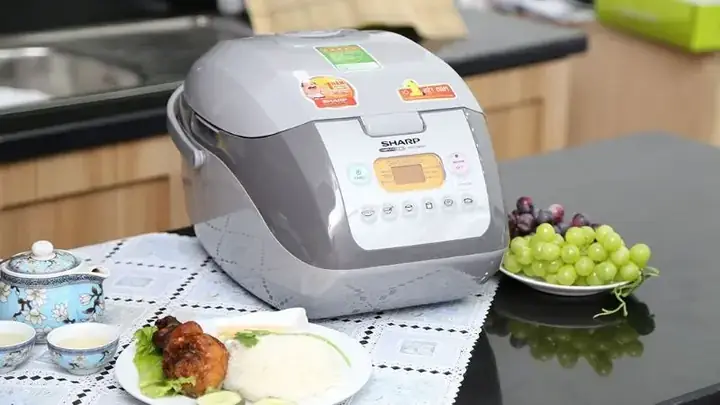
In modern Vietnamese households, nấu cơm is frequently done using an electric rice cooker. When describing this in English, specific terminology applies:
- “Measure the water using the lines inside the pot.” (Most rice cookers have graduated markings).
- “Select the appropriate setting (White Rice, Brown Rice, Quick Cook).”
- “The indicator light switches to ‘Warm’.”
While the stovetop method requires active heat management, the rice cooker automates the transition from boiling to steaming based on temperature sensors. Describing this automated process requires understanding terms like “thermal sensor,” “automatic shut-off,” and “keep-warm function.”
Describing Different Textures and Doneness
To accurately convey the result of nấu cơm, you need adjectives that describe the ideal outcome. In English culinary reviews, rice is described as:
- Fluffy: Grains are separate and distinct.
- Tender: Soft to the bite but not mushy.
- Al dente: Slightly firm in the center (often desirable for certain dishes).
- Clumpy: Grains stuck together in large masses (usually considered a mistake).
- Mushy: Overcooked and losing individual grain structure.
Sample Dialogue: Explaining the Process
To provide a practical example of how to say “nấu cơm” in English, consider the following dialogue between a chef and a student:
Chef: “Today, we are going to learn the absorption method. Do you know how to nấu cơm?”
Student: “I know how to boil rice, but I’m not sure about the specific technique.”
Chef: “It’s similar to steaming. First, rinse the Jasmine rice until the water runs clear. Then, add water using the 1:1.5 ratio. Bring it to a boil, then simmer on low heat with the lid on. It’s crucial not to disturb it for 15 minutes.”
Student: “Should I check if the water has evaporated?”
Chef: “No, keep the lid closed. The steam does the work. Afterward, let it rest off the heat for 5 minutes, then fluff it gently.”
Conclusion
Mastering the English description of nấu cơm involves more than just translating words; it requires understanding the culinary technique of steaming and absorption. By using precise verbs like rinse, simmer, steam, and fluff, and adhering to the correct rice-to-water ratios, you can accurately convey this essential cooking method. Whether using a traditional pot or a modern electric cooker, the goal remains the same: achieving tender, fluffy grains that serve as the perfect foundation for any meal. For more culinary insights and kitchen tips, visit bundaumamtomtienhai.vn.